Category: Blog
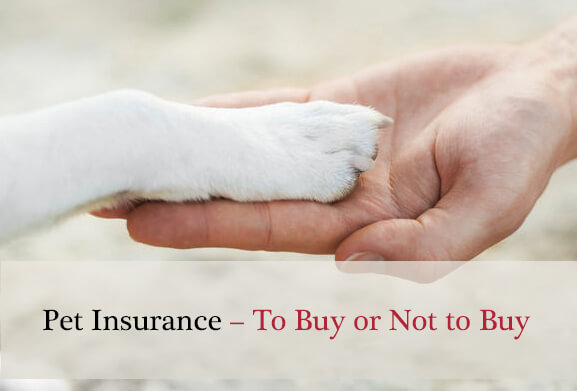
Pet Insurance – To Buy or Not to Buy
Many pet owners wonder whether to get pet insurance.
If you are a new pet owner, this may be a new consideration for you.
You automatically think about insurance for your life, home and automobile, but for your pet? It has probably never even occurred to most people.
Are you considering whether to get pet insurance?
My advice is say yes to pet insurance.
Put simply, the benefits and peace of mind are worth it.
To begin, pet insurance is a beneficial way to offset your health care costs.
Most experts agree that your pet will cost you more than $20,000 over its lifetime for food, health care and other expenses.
Choosing not to buy health insurance for your pet may save you money in the short-term, but it will almost certainly cost you more in the long-run.
The premiums range from $30-$100 per month, and there are different costs for the various products offering differing levels of coverage.
There are different pet insurance products, although most will cover a portion of treatments that you will almost certainly use, such as an annual check-up and a general wellness benefit.
Also, most plans will offer a payout for a life insurance component for your pet, should something unexpected happen. This clause usually applies if the incident occurs before a certain age.
Peace of Mind
There is also the “peace of mind” that comes with having pet insurance.
If your pet becomes injured or sick, you may be confronted with the additional financial stress of having to pay for the treatment.
Having insurance alleviates some of the headaches involved in this process.
Choosing the Right Pet Insurance for You
There are different providers of pet health care. I recommend you look at the main providers and compare their product offerings.
You can find those companies simply by searching for “pet health insurance” on the Internet, or asking our office for the names of the main companies we deal with.
To help make your decision:
- Compare pet insurance products from different providers
- Speak to people at the dog park or in your neighbourhood about their experiences
- Know your breed and its overall health trends
Understand Your Pet’s Health Risks
We love our dogs, but different breeds have different health concerns, and each breed brings it own health complications.
There is significant information available on the Internet, although I would encourage you to consult reputable sources and consider more than one opinion.
Here at the Centre Street Animal Hospital, we have significant experience with every breed of pets, and we would be glad to provide you with our insights on what you may expect over the lifetime with your animal.

House Soiling – What Does it Mean and How to Address It?
House soiling can be a common problem with dogs.
Although owners generally train their dogs to urinate and defecate outside, and accidents usually end with the puppy stage, it is not unusual to see some degree of regression when your pet will lose its way and relieve itself in the house.
It can be a bothersome discovery when you enter the room and realize what has happened.
The good news is there are solutions.
A House Soiling Myth
Let’s address one common myth right off the bat. Rubbing your dog’s nose in the feces or urine is not a useful solution.
Dogs do not have the memories or association faculties that humans do. If you do the nose rub, then your dog is most likely not getting your point.
If your pet takes anything away from the experience, it’s probably that you’re a bad person for doing that to them.
A Medical Problem or a Behavioural Problem?
If the house soiling problem persists, then your first step is to determine whether it’s a medical problem or a behavioral problem.
Exploring Medical Causes
If it’s a medical problem, you may notice indications of:
- Pain when squatting to urinate or defecate
- Pain when lefting leg to urinate
- Inability to hold urine in bladder
Any combination of these symptoms could signal bladder infection, bladder stones, diseased kidney or liver, or a wide range of other problems.
Bring these symptoms to our attention at the clinic and we will help you address them.
Our physical exam will likely include a blood test and a urinalysis to determine whether the internal organs are functioning normally and whether any infections may be present.
We can also conduct x-ray or ultrasound image of your dog’s abdomen to look for the presence of kidney stones, bladder stones or other diseases affecting the internal organs.
Also, please note that a dog may urinate to mark territory, which is one of the reasons our clinic recommends to have your pets spayed or neutered at an early age.
If we determine a medical problem, then we will proceed with a treatment plan that should take care of the problem.
Exploring Behavioral Causes
If we cannot identify any medical causes, then we will look at possible behavioral causes.
Has there been a change in the dog’s environment that may be causing some anxiety? Common causes include:
- A change in household routine
- Separation from primary caregivers
- Left alone for longer than normal
- A change in the owner’s schedule
- Excessive eating or drinking
- Something frightening the dog
- Excessive submission or fear
Your dog will need a training program to learn when and how to relieve itself.
It is the same process used for a young puppy. Your approach should include:
- Constant supervision
- Prevent access to indoor areas
- Regular feeding schedule
You may also want to try confining your dog to its sleeping area as he or she will likely want to keep this area clean.
Finally – and this part is key – reward or praise your dog for desired behavior. It’s a positive way to move in the right direction.
Going Forward
You should watch our video blog on Dealing with Separation Anxiety – it will provide useful tips that may be useful for dealing with house soiling.
If the techniques offered on our website don’t seem to work, then feel free to talk to our clinic team.
We can help with your dog training efforts with tips and insights that can help correct your dog’s behavior.
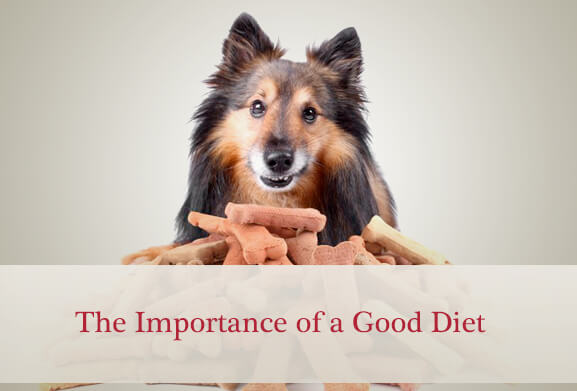
The Importance of a Good Diet
A good diet is an important part of your pet’s overall health and happiness.
On a daily basis, a good diet gives your pet energy to continuing playing and enjoying life.
In the long-term, your pet needs it for their overall health and to continuing enjoying many years with you and your family.
A Veterinarian’s Advice on a Good Diet
People commonly ask me for advice about a good diet and which pet food to buy.
I’m glad to provide people with guidance to keep their pets healthy. I believe it’s a valuable part of the service we provide for your pet and your family.
However, it’s not always so easy to name a specific food over another.
There are many factors to consider.
Determining the Pet Food for a Good Diet
When comparing pet foods, a useful analogy is to think about the process of choosing a home.
When we look for a home, every house will have the basic building blocks – a roof, a foundation, walls, doors and windows.
But guidance and choice come into play on the other aspects – quality, location, number of bedrooms and bathrooms, and the need for renovations or inspections.
It’s the same with pet food. Every food available will have the fundamental building blocks – protein, carbohydrates, fat, vitamins, minerals and water.
The difference comes in when we look at the percentage of these ingredients, and most importantly, your pet’s age and lifestyle.
When I consider your pet’s nutritional needs, I take into account its species, breed, activity levels, age and metabolism.
There are some things we can do to help us with the choice.
Read the Ingredients Label
Whenever considering a pet food, it is important to read the labels.
All pet food labels list the ingredients.
If you look at the label, you’ll notice that the ingredients are listed in descending order by weight.
However, it’s important to understand that does not necessary tell us the amount of the ingredients.
Meats such as chicken, beef and lamb are often listed first. Those items have a high water content. That means they weigh more than dry ingredients such as grains, meals and vitamins.
They may have the greatest weight, but they are not necessarily the greatest quantity.
That’s something to keep in mind.
Important Statements
A proper pet food will also have an “AAFCO Statement.” (AAFCO is the Association of American Feed Control Officials).
The AAFCO Statement can refer to the clinical trials being done, or it may indicate that the food was ‘formulated’ according to a recipe to meet the food standards on paper only, without clinical trials. Of course, clinical trials will always be the gold standard.
“All Life Stages”
The statement will also refer to the diet meeting the needs of adult dogs and all life stages. However, please bear in mind, there is no such thing as one diet fits all stages. “All life stages” actually refers to a puppy diet.
“Guaranteed Analysis”
There is also the “Guaranteed Analysis” that shows you what nutrients are in the food.
The “Guaranteed Analysis” can be a little confusing because the nutrients are listed by percentages. You will also see minimum or maximum next to the numbers.
The key thing to understand is that this label tells you what nutrients your pet will receive on a typical feeding.
Some servings will be more, some will be less, but it gives you an idea of what’s inside.
We Can Help
Please contact us or a qualified nutrition professional that can assist you with any confusion.
We are here to help!
We would love to have you come by our clinic and we can chat in person about how to optimize your pet’s health.
Spend some time on our website, sign up for our newsletter, and send us an email – we would love to connect with you in person!
I would be happy to answer any of your questions, so feel free to share them in the section below!
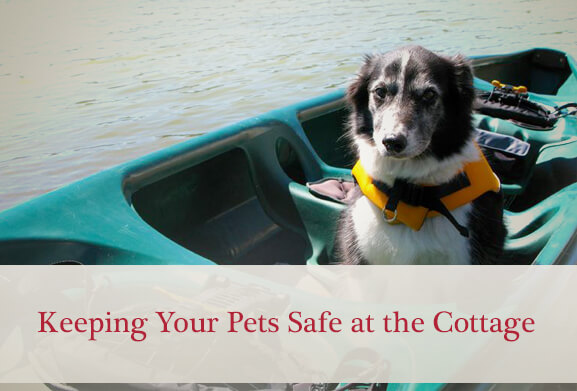
Keeping Your Pets Safe at the Cottage
Summer is well underway and many of our pet owners are planning trips to cottage country. There is nothing better than savouring these relaxing moments with family, friends and our animal companions.
We are proactive about keeping your pets healthy, but cottage country or rural areas requires you to take extra precautions when heading up to the cottage.
Remember these helpful tips to keep your getaway enjoyable for you and your pets.
The Trip
Summer days can be hot and your pet can feel the stress of a long ride. Prepare ahead to make the trip comfortable and safe for your animals.
Control the temperature
Use the air conditioning to keep the heat down. Never leave your pet alone inside the vehicle; it takes only minutes for an animal to develop heatstroke. Also, remember that while your dog may want to travel with their heads out the car window, heavy traffic and sudden stops can lead to injuries.
Take regular breaks
Plan to take rest stops every two to four hours for exercise, bathroom and water breaks. Bring a litter box for cats. Staying hydrated is important. Also, remember to attach your dog’s leash before opening the car door – accidental escapes in heavy traffic areas can be tricky.
Around the Cottage
Your pets probably see the cottage as an outdoor space to have fun, explore and be free. And it should be fun. However, safety is still a concern. Wandering around in cottage country, your pets can get surprised by traffic, get lost in the wilderness or encounter wildlife.
Keep your pet on the cottage property
Your pet could easily get lost in wooded area, so keep them close by. Make sure the pet is microchipped and tagged with the cottage address and phone number. That way, if they wonder off, they can be returned to you easily.
Protect your pet from wildlife
Encounters with porcupines or skunks can leave your pet with injuries, and encounters with wolves or bears can be deadly. Keep your pet on a leash when exploring outdoor areas to prevent them from any unwanted encounters.
Health Concerns
The great outdoors is beautiful, but it can also present problems for our animals.
Protect against parasites
Fleas and ticks are real problems in cottage country. Speak with our office about flea and tick medications.
Make sure vaccines are up-to-date
Before you go, check with our office about whether your vaccines are up-to-date, particularly the rabies vaccines.
On the Water
Many dogs love the water, but be careful about getting carried away. The water presents hazards your dog may not be used to.
Watch your dog swimming
Moving water can be dangerous, and currents can make it difficult for dogs to swim. Your dog may not realize how tired she is getting or how far out she has travelled. Call your dog in to shore while she’s still having fun.
Use safety gear
Safety gear is not just for humans – there are life jackets for pets too. Even good swimmers can get stuck in rough waters or if they jump overboard far from shore. A proper life jacket will keep pets and human afloat if anything happens.
Stay in safe waters
Keep your dogs in waters that are known to be safe for recreational use.
Dogs ingesting water could pick up intestinal bugs such as giardia, or bacteria including E. Coli, salmonella and Campylobacter, just to name a few, or other gastrointestinal viruses. Some may only show mild vomiting or diarrhea while others may develop severe life-threatening illnesses.
Similarly, contaminated water may also cause or promote skin and ear infections. In these cases, you should regularly monitor their skin problems, possibly more frequent shampooing and towel drying, and regular ear cleansing.
You can do a “smell test” – if your pet’s skin or ears smell bad, it may be due to an infection.
Please be aware of these conditions and prevent your animals from swimming in waters that are not known to be safe.
Be Prepared
We would love to join you for our getaway, but we can’t, so please find the telephone number and address for a veterinary clinic near the cottage and keep that information handy.
It’s just that extra piece of mind knowing you are prepared and you and your pet can relax and enjoy getaway together.

Introducing the ScanX Quantum Scanner
Our Newest Technology
We are always looking for innovative technology for the clinic, it’s part of our commitment to giving your animal companions the best care possible.
Our latest addition is a Digital Imaging System (digital x-rays). The AllPro Scan X Quantum is a computed radiography (CR) digital imaging system and at this time is the only digital imaging system capable of producing diagnostic high-quality digital images in both all full body sizes and all dental sizes.
What exactly is CR? It’s an innovative step in x-ray technology. Unlike traditional x-rays, this new machine uses a digital scanner to transfer the captured x-ray images to the computer screen. Specialized software then helps us manipulate or modify the picture to higher resolution and greater detailed imaging of specific areas of focus than would be possible with standard x-rays.
Our new digital x-rays system will help us:
- Obtain images and medical answers more quickly
- Use the computer to magnify, contrast, zoom and create images that would have previously taken sometimes a half-dozen standard x-rays to produce
- Email images to specialists in a timely fashion with ease if needed.
We care dearly about your pets and we’re always aiming to provide the highest quality care, so it’s satisfying when we find ways to make it even better.
A Closer Examination
We have researched this technology for the past year, and concluded that the AllPro ScanX Quantum Digital imaging system is the best available technology to help us care for your pet due to its unique abilities to cover the entire body and oral cavity, giving us far greater value in extending our diagnostic capacity.
Our trained veterinary support team and myself will then review images on the computer screen to help make our assessment. And since it only takes 45 seconds to create the digital image, we expect that the new machine will help us keep you, the pet owners, well informed about what we’re seeing.
It’s all part of our commitment to providing you and your pets with the highest quality in cutting edge veterinary care.
Stay tuned to our video blog where I will demonstrate the benefits of this machine.
You can also leave a comment below about how technology has helped improve your pet’s health, or what you’d like to see in the future.

Exercise Ideas for Your Dog
To keep your dog fit for life, an exercise plan should be established when they are still puppies and continue throughout your pet’s life.
Exercise Ideas
Morning Walks
Morning walks are probably the most obvious way to get your pooch’s metabolism started after a long night’s sleep with chowtime breaks. Most vets will recommend at least a 30-minute stroll to get their systems started.
Agility training
You can take your pet to an agility course or even build your own backyard dogstacle course. Place tomato planter poles about 24 inches apart and have your dog weave in and out of them like a slalom race. Find a tunnel at a children’s toy store or Canadian Tire for your dog to run through. You can also set up chairs or benches as jumping obstacles. These are jus a few ideas you can use at home.
Doga
Yes, it’s yoga for dogs and it’s not just a passing fad. In Doga, dogs become interactive props as their masters incorporate them into their own poses. Classes also involve stretching, massing, chanting, and music that is audible at a dog’s pitch.
Put your dog on a treadmill
Most gyms probably wont let you bring your dog with you but if you have a treadmill at home. It’s actually a great way to get them moving and they even make dog specific ones like the Jog-A-Dog. Start them off at the lowest speed and reward them with treats to keep them going. Once they get used to it, you can turn the speed up gradually for a more challenging workout.
Fetch
Playing fetch with your dog is a classic way to keep your pup active. Their innate hunting and retrieving instincts hardwire them to bring back their their catch to share with you.
Benefits of exercise
You both get a work out
Owning a dog introduces new responsibilities to your life. One of them will mean a commitment to keeping them healthy through exercise, which can benefit you as much as them. Daily walks and jogs are not just an opportunity for them to relieve themselves on the lawn but a chance to boost metabolism and fight obesity and heart problems.
Improves Mental Health
Lack of exercise can lead to health issues like obesity and heart problems. Adequate exercise has health benefits that can help increase your dog’s lifespan. Regular exercise will improve your dog’s confidence and reduce his anxiety. If you have a shy dog, you can help him by offering the right amount of exercise every day. He will start being more outgoing and happy.
Increases Trainability
Physical exercise gets your dog used to listening to you and keeps them in line. Burning off all that extra energy, also improves their ability to focus so they can respond to commands like sit, stay, wait or lay down.
Reduces Unwanted and Aggressive Behaviour
A lot of unwanted behaviour like loud barking, aggression, chewing or digging comes simply from boredom. Exercise is a great way for them to channel all that excess energy into something positive so that they will be less likely to act up.
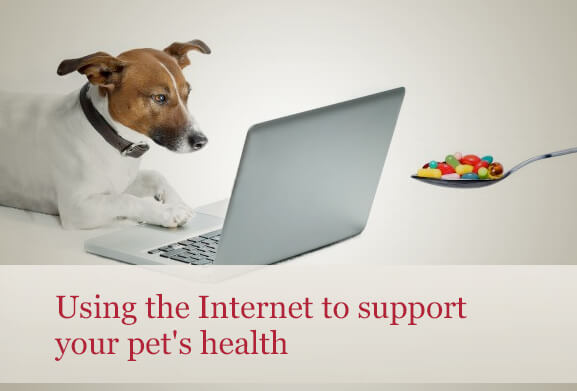
Working with Dr. Google!
We know that it’s not unusual to rush to the Internet when it comes to pet health problems, and this can lead to some excellent insight and suggestions but sometimes we can misinterpret the information. The Centre Street Animal Hospital recommends pet owners to come in so that we can medically guide you through consultation or full medical exams. Together, we can make the most informed and suited medical plan for your pet.
But that doesn’t mean you shouldn’t have some places to start, which is why we’ve put together this list of resources. Questions for cats and dogs are the easiest to find but there are resources out there for more exotic pets too. Many breeds will have society and breeder sites with specialized information.
The Ohio State University’s College of Veterinary Medicine Indoor Pet Initiative
The Ohio State University’s College of Veterinary Medicine Indoor Pet Initiative has a goal to enhance the health and welfare of companion animals world wide so that all pets and their caregivers can experience optimal well being. Their site has extensive behavioural guides to help you understand what might be going on in your cat or dog’s head, and is also downloadable as a PDF to read on the go, or on an e-reader.
Pet Place
Pet Place is another resource that contains over 15,000 veterinarian-approved articles with areas of specialization that include information on breeds and even lists of medications used to treat illnesses and conditions.
http://www.petplace.com/cats/separation-anxiety-in-cats/page1.aspx
Pet Education
Pet Education is the place to go for expert information for all types of specialty and exotic pets. The site has helpful articles on topics such, as how to clean your small pet cage, and how to recognize Ich, or White Spot Disease in your fish tank . Along with information on cats and dogs, the site includes help with fish, birds, ferrets, small pets and reptiles too.
The Pet Health Network
The Pet Health Network is another friendly resource for information on those that meow and bark. The site frequently profiles more obscure diseases like say, feline pancreatitis, with helpful checklists of symptoms, methods of prevention for owners who like to think ahead, and a breakdown of what kind of procedure the vet will take to treat or diagnose your pet with.
http://www.pethealthnetwork.com/
WebMD for Pets
WebMD, the popular site for human illness diagnosis also has a pet version. Their articles are written by contributors but each one is approved by an authoritative veterinary professional. Their A-Z directories of illnesses and conditions gives you some tips that you can try at home, and there’s also a text to speech feature that will read the article for you out loud.
Is there a site that you use that’s not listed? Let us know in the comment section below.
If you found this post useful, please share it with your friends on your social media networks. Also, feel free to make an appointment today for your pet, or just come by and visit. We’ll be happy to see you!!
Do you need a Pet Sitter?
A good problem to have:
So the holidays are upon us and you have this wild idea of taking a trip with the family to a warm a cozy Caribbean island, but soon realize that you have no one to leave your beloved dog or cat with. Maybe you’re planning to spend the holidays with family and they’ve advised you that you can’t bring your canine or feline companion.
Did you know that here at Centre Street Animal Hospital we offer hotel-like accommodations for your pet? Here are some benefits of boarding with us:
- Our facilities a kept perfectly clean
- Your pet will receive healthy doses of exercise each day
- All our kennels are 6 feet by 3 feet wide, giving your pet plenty of space
- Cats and dogs are maintained in separate rooms for their own comfort
- Bring his/her favorite toys!
- We will meet your pet’s specific diet and physical needs
- Our medical facility will ensure your pet’s safety
- We abide by the highest standards of pet care
Keep your Pets safe this holiday season!
Let us take this opportunity to remind you about pet safety during this holiday season. Here are few things to keep in mind to ensure the safety of your pet:
- Christmas Tree: If you have a Christmas tree, make sure it is securely anchored to prevent it from tipping over and injuring your pet.
- Tinsels: Avoid using tinsels as they may obstruct their digestive tract and cause life-threatening side effects.
- Alcohol: If your festivities include alcohol, make sure you don’t leave cups unattended as alcohol can have negative effects on your pet’s health. (Don’t forget to drink responsibly!)
- Food: With a joyful spirit, the holidays can be a tempting time to trat your dog. Be very careful that your dog is not exposed to Chocolate as this can be very dangerous and potentially fatal. Also, keep in mind that raisins and grapes are also toxic as wel as macadamia nuts. The best advice: feed your pet his/her normal diet. If you do feel the need to treat your pet, a small scoop of natual vanilla ice cream is more than enough. Make sure that it does not contain Xylitol, an artificial sweetener that is bad for dogs.
- Toys: Want to place a gift for your beloved pet under the Christmas Tree or within its holiday stockings this holiday season? Chose gifts that are safe. Your local pet store will have plenty of ideas for you.
If you run into trouble this holiday season and experience a medical emergency, contact our clinic or the nearest emergency pet clinc. If you have any question or would like to book your pet for boarding at our clinic, we are here to help you, simply give us a call!
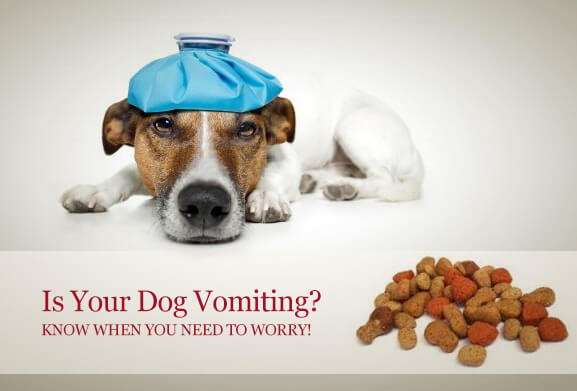
Dog Vomiting Problems?
Is Your Dog Vomiting? Know When You Need to Worry!
If you’ve ever owned a dog, you know that stomach upset and even vomiting is not uncommon. It doesn’t necessarily mean that something is wrong with your pet, but if it lasts more than a couple of days, you should pay attention and perhaps seek veterinary help.
Let’s talk about it.
What causes vomiting?
The reasons for vomiting in dogs can range from less serious to very dire.
Things like:
- Car sickness
- Overeating
- Change of food
are extremely common causes for upset stomach and vomiting and should not cause you to be alarmed. However, if there is ever any doubt, contact your veterinary care provider.
Nonetheless, there are more serious causes of dog vomiting which you need to be mindful, including:
- Infections, such as parvovirus, leptospirosis (a bacterial infection), and parasitic infections of the digestive system. Parvovirus occurs in puppies and unvaccinated dogs and can lead to vomiting and even death.
- Ingestion of chemicals or drugs, such as pesticides and antifreeze.
- Inflammation
- Metabolic disorders
- Tumors, although they tend to be accompanied by other symptoms
- Worms, which can be prevented by providing a regular treatment as recommended by your vet (this should be hyperlinked to the article addresses parasites and worms)
- Eating objects, like large bones, clothing, or rocks that can irritate or block the intestinal track
When should you be concerned?
Along with the vomiting, if any of the following symptoms are present, you should seek immediate attention for your pet:
- Sudden and severe vomiting
- Weakness
- Fever
- Suspected ingestion of a foreign body
- Bloody diarrhea
- Pain (abdominal or otherwise)
- Seizures
- Blood in the vomit
Quick action could prevent dehydration and possible hospitalization for your furry friend.
To help diagnose the cause of the vomiting, be prepared to discuss the amount, consistency, color, and frequency of the vomit, as well as your pet’s appetite and general health.
Your turn
Dog vomiting can be uncomfortable for both you and your pet. Hopefully you now have a greater understanding of the possible causes of vomiting and when you need to be concerned.
If you have any questions about what was discussed, feel free to leave your thoughts in the comment section below and I will be sure to respond promptly.
If you found this post useful, please share it with your friends on your social media networks!
Also, feel free to make an appointment today for your pet, or just come by and visit. We’ll be happy to see you!!
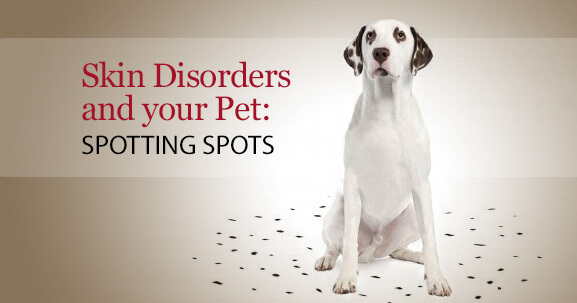
Skin Disorders
Perhaps more than any other ailment, sickness or setback, our furry patients suffer from skin disorders that can be difficult to catch and tricky to diagnose. No matter the season, your pet can develop skin disorders quickly and unexpectedly. It’s important to keep an eye out for any signs of a skin disorder, as they can herald more serious disease.
It’s Elementary My Dear Watson
So you have to play detective and look out for clues!
Some of the warning signs are:
- Bald spots and excessive fur loss
- Red spots, bruises, or clotted blood on the skin surface
- On very furry animals, indication of rash in areas where there is no hair (the inner side of the paws, the stomach, and the inguinal region).
Unless you examine your pet’s skin regularly, these signs can be easily overlooked. And that can be dangerous, since skin disorders can serve as an indicator of your pet’s overall health.
Furthermore, several animal skin problems are actually contagious to humans. So if you want to avoid the spread to other pets or family members, you need to pay attention.
The good news is that if skin problems are noticed in time, you can help avoid more serious suffering.
What Causes Skin Disorders in Pets?
Understanding how skin problems materialize can help you to take preventative measures.
There are two potential causes to animal skin disorders:
- Immune-mediated problems are caused by an immune system deficiency or over-activity.
- Physical and environmental factors are usually things with which the pet comes in contact, like fleas, ticks, or fungi.
Every skin-related disorder is caused by one of the two variables above; the cause sometimes determines the course of treatment, so the distinction is important.
Types of Skin Disorders
A more thorough understanding of the different types of disorders can arm you with the information you need to take action. Here are the most common skin problems and what you need to look for:
- Allergic Dermatitis: An allergic reaction to grooming products, food, or environmental irritants such as pollen or insect bites.
- Yeast Infection: Leaking of the toes and constant scratching of ears with irritated and discolored skin. This disease responds well to topical cream, oral drugs, or a medicated bath as recommended by your vet.
- Impetigo: Puss-filled blisters in hairless areas, usually seen in puppies. This problem is rarely serious and topical solution usually helps. Only in very rare cases does it continue or spread after treatment.
- Alopecia: Shedding and hair loss caused by stress, poor nutrition, or illness. In severe cases, a vet is needed for diagnosis and follow-up.
- Mange: Caused by tiny parasites called mites. There are two types of mange: sarcoptic mange is very contagious and shows as itching, red skin, and hair loss, usually in the ears, face, and legs. Demodectic mange can cause bald spots, scabbing, and sores but is not as contagious among pets and humans as sarcoptic mange.
Bringing Your Pet Relief & Comfort
Treatment of any skin disorder should ultimately be left to a veterinary professional.
However, as your pet’s advocate and ‘voice’, you need to be proactive in the process of diagnosis and treatment. Make sure you are checking your pet’s skin regularly and communicate with your veterinarian about any concerns or questions.
Skin disorders can be persistent and recurrent; some of these problems may require repeated doses of medication and thorough follow-up to be eliminated.
Your turn
If you have any questions about what was discussed, feel free to leave your thoughts in the comment section below and I will be sure to respond promptly.
If you found this post useful, please share it with your friends on your social media networks!
Also, feel free to make an appointment today for your pet, or just come by and visit. We’ll be happy to see you!!
Important Links
Get our Newsletter!