Category: Blog
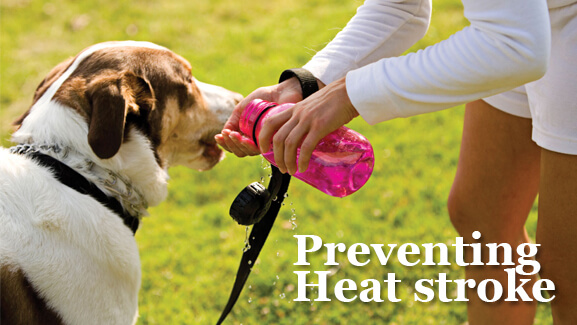
Avoiding Heat Stroke
Heat Stroke and Your Dog
With unseasonably high temperatures and predictions that this will be a record-setting summer, there has been a lot of media attention lately on dogs and the heat. It is important for all dog owners to understand the risks and take the necessary steps to keep their pets safe and comfortable.
What is heat stroke?
Heat stroke occurs in dogs when they aren’t able to regulate their body temperature to around 38-39 degrees Celsius. They develop hyperthermia, an elevated body temperature where the body produces or absorbs more heat than it can dissipate. Dogs that are overweight or older are at higher risk.
Heat stroke is caused by:
- Heat itself
- Poor ventilation
- Excessive humidity
- Over-exertion
What to watch for
Some signs of heat stroke include panting rapidly, thick, ropey saliva, and bright red gums. If you see any of these signs, you should take action immediately and:
- Get the pet out of the heat and into a shaded area, preferably with air conditioning. Check their temperature, if possible. Run cool water over the back of your pet’s head, armpits, tummy, and in between the back legs.
- Rub an alcohol solution on their belly or groin area.
- Do not immerse the dog in cold water.
- Rehydrate the dog; let them drink as much cold water as they can. You can also add some electrolytes, like Gatorade, to the water.
- If your dog’s body temperature rises further (41 degrees C or higher), he will go into shock, become weak and dizzy, and experience vomiting and diarrhea. If you see any of these symptoms, it’s vital to seek medical attention immediately to prevent disability or death. Get to a vet as soon as possible!
Preventative measures
People are sometimes shocked at how quickly and easily dogs can come down with heat stroke, especially compared to humans. The fact is, it’s a lot more difficult for a dog to cool down than a person, unless the dog gets some help from their two-legged friend.
Here are some simple and easy steps to avoid dehydration in your pet:
- If you have a dog with long, thick hair, keep it trimmed. Not too much though, as their skin is quite sensitive and burns easily.
- Make sure your pooch has enough cool water, particularly if he is spending a lot of time outdoors.
- You should always provide a shady area to give your dog a break from sun exposure.
- If your pet is staying indoors, keep the air conditioning on. If that’s not possible, provide a cooling mat (which can even work when your dog spends time outdoors).
- Never leave a pet inside of a car. Cars heat up quickly during the summer, and they are sometimes as much as 10 degrees hotter than outside.
- Be compassionate: bring your dog inside on really hot days, even if he protests.
- Exercise during the day increases your dog’s chances of dehydration and heat stroke. Leave exercise or walks for early mornings or late evenings when temperatures are cooler.
When it comes to heat stroke, practice the same safety measures for your pets as you would for a small child. If you wouldn’t leave a child in a hot car unattended, you shouldn’t leave your dog there either.
Your turn
Heat stroke can be scary for a pet owner, but it’s also very preventable. If you have any questions about what was discussed, feel free to leave your thoughts in the comment section below and I will be sure to respond promptly. If you found this post useful, please share it with your friends on your social media networks! Also, feel free to make an appointment today for your pet, or just come by and visit. We’ll be happy to see you!!
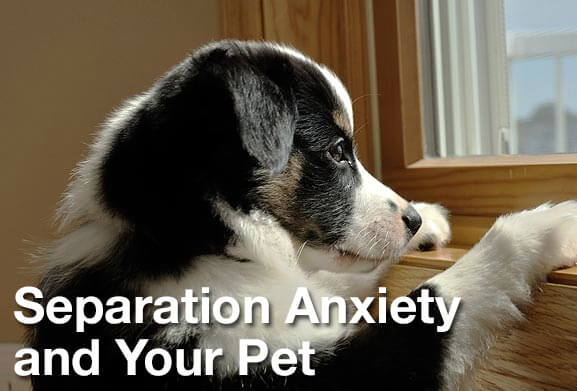
Separation Anxiety and Your Pet
Separation Anxiety Can Affect a Pet’s Health and Home Life
No matter how much you love your pet, they sometimes engage in dangerous, dysfunctional behaviors that can affect both their health and their home life. One of the most common (and most frustrating) is separation anxiety.
Understanding what it is and why it happens, is the first step in making your pet feel more calm and reassured when you leave.
What is separation anxiety?
Separation anxiety is the fear or dislike of isolation, resulting in bad behaviors while the pet is alone. There are quite a few reasons why your pet might be anxious:
- The pet is overly dependent on the owner
- Traumatic events as a youngster
- Abnormal predisposition to dependency
- Early separation from its mother, especially for dogs kept in stores or animal shelters
- Sudden change of environment, like a new home or kennel
- Lifestyle changes for the owner that affects the time spent with the pet, a long-term absence of a loved family member, or a new addition to the family
When a pet is anxious, it might pee or poop in inappropriate areas, destroy toys and/or furniture, bark or whine excessively or become depressed or hyperactive.
These could be symptoms of other problems, too. But if the pet changes its mood shortly after you return home, then separation anxiety is the most likely cause. If this behavior is prolonged and doesn’t change once you return, have your pet checked by a vet to rule out any other issues.
Possible solutions
Treatments can take many forms. People try everything from punishment to crate training to obedience training. These might address some of the problem behaviors, but they can still overlook the root of the issue and force the dog to replace his behavior with another inappropriate coping mechanism.
Punishment tends to be ineffective, as it simply increases the pet’s anxiety.
Instead, you should slowly acclimate your pet to being alone by increasing the time you spend away. Avoid over stimulating your pet when you return – arrive in a quiet and casual way. Use a soft voice, and do not offer praise when you return.
Medication can be used, but should be reserved for the most severe cases. It won’t be effective on its own. A treatment program combined with medication will have a more lasting effect.
Your turn
Separation anxiety can make the owner just as anxious as the pet. Hopefully this post has left you with a greater understanding of its causes and possible solutions.
If you have any questions about what was discussed, feel free to leave your thoughts in the comment section below and I will be sure to respond promptly.
If you found this post useful, please share it with your friends on your social media networks!
Also, feel free to make an appointment today for your pet, or just come by and visit. We’ll be happy to see you!!
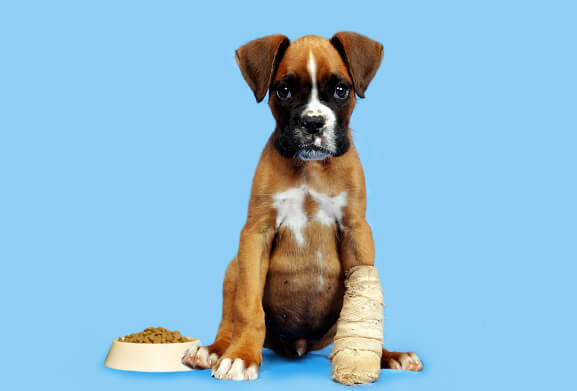
Preventative Healthcare
Why Preventative Healthcare is as Important For Pets as it is For Humans
Preventative medicine in humans is key to a happy and prolonged life. This is also true for pets. People wouldn’t dream of letting years lapse without a check up at their doctor, yet we prolong preventative vet visits for our pets all the time. As pet owners and guardians, it is our responsibility to know our pets and their breed-specific needs. Some of those needs are common sense, like food, water, and exercise. There are other needs that can only be identified by a trained professional. That’s why a good veterinary clinic is a critical partner in your pet’s welfare.
Our clinic can help you put your pet on the path to good health. We can teach you about your pet’s needs and help you develop a plan to meet them. Here are four simple steps to help your pet live a healthy, happy, and prolonged life:
1. Know your breed
Each breed comes with its own set of health concerns of which you need to be mindful. Unfortunately, many owners aren’t in tune with what their particular breed requires. They think all pets are the same! This simply isn’t true. What is good for one breed may be terrible for another. One breed may have degenerative issues that others do not.
This is where the help of our clinic can be invaluable. Not only can we alert you to the potential risks of your particular breed, but we can also perform laboratory and diagnostic testing to make sure those issues are kept at bay.
2. Dental care is key
We have all encountered a pet with stinky breath.
Clean teeth are not only important in resolving your pet’s bad breath, but can also prevent gum disease and pain. For example, a dog’s teeth should be brushed twice a day. There is also a range of dental supplements that can enhance your pet’s dental hygiene.
Give us a call – we would be more than happy to walk you through all of your pet’s dental options!
3. Your pet’s weight is important
Just as in humans, obesity in animals can have a severe impact on their health. Luckily, there are a few easy things to keep in mind when it comes to pets and food:
- Human food should never be given to animals
- Keep cooked bones away from dogs. They can damage their internal organs as they are digested.
- Know which foods can produce allergies or pose serious risks to your pet. For example, chocolate can be deadly for dogs and cats.
4. Understand the needs of a senior pet
Senior pets need extra care to preserve their quality of life. Ensuring that they stay active and maintain a proper diet is even more critical for your older pet. Keep in mind that health-related problems tend to present more suddenly in older animals. You will want to visit the vet more often for preventative checkups to catch little issues before they become bigger challenges.
As we all know, pets cannot tell us when something is wrong. It’s up to us to be attentive to changes in their condition, such as:
- Lack of energy
- Lack of appetite
- Infrequent urination
- Excessive coughing
- Hair loss or itchy skin
- Stiffness, lameness, or difficulty rising
If your pet shows any of these signs, please call the clinic to make an appointment as soon as possible.
Your turn
There are many preventative measures that you can undertake to make sure your pet lives a long and happy life. If you have any questions about what was discussed, feel free to leave your thoughts in the comment section below and I will be sure to respond promptly.
If you found this post useful, please share it with your friends on your social media networks!
Also, feel free to make an appointment today for your pet, or just come by and visit. We’ll be happy to see you!!
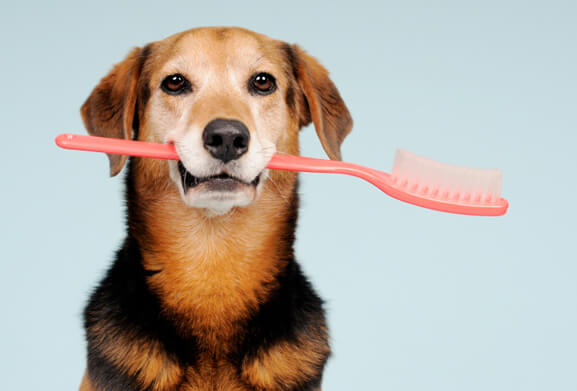
Promote Dental Health
PROMOTING DENTAL HEALTH
February is National Pet Dental Health Month!
Dental Healthcare is critically important for your pet, and February is National Pet Dental Health Month. We are pleased to be offering our patients an exciting Dental Health Promotion through the end of March.
Read on to learn more!
At Centre Street Animal Hospital, we are switching to a more human-based dentistry style in order to:
- Preserve the safety of our patients
- Facilitate better planning of a medical or oral surgical plans, resulting in a better outcome for the patient and all the medical caregivers
- Support improved communication and financial planning
As with other health considerations, we seek to partner with you to provide preventative care, to ensure the vitality and long life of your pet.
Our Dental Promotion
Let’s Rejoice on Preventative Medicine!
Our National Pet Dental Health Month Promotion is being offered for a significantly discounted, flat fee for dentistry procedures including:
- The initial Oral Examination (see below).
- Everything related to the general anesthetic including the IV fluids, medications, advanced manual and electronic monitoring of the blood pressure, EKG, blood gases, pulse oximetry.
- The full Dental Cleaning (see below) and prophylaxis, include ultrasonic and manual scaling, polishing and fluoride application, as well as hospitalization, advanced technology patient warming, hospitalization and all post-op medications.
Please Note: If oral pathology is noted during these routine procedures, dental x-rays will be advised as needed and will involve additional costs. The presence of oral pathology during the dental cleaning may warrant oral surgery or specialty attention. Upon discharge, an estimate of oral surgery or preparations for a referral to a specialized dental practice will be discussed. A follow-up appointment should be scheduled one to six weeks from the dental prophylaxis appointment.
By breaking down these procedures, we ensure a more accurate assessment, better hospital planning, and ultimately better patient care.
What Can You Expect
Typically, in an Oral Examination we perform, we look for: developmental anomalies, an accumulation of plaque and tartar, periodontal disease and oral tumors. Sometimes, we will perform or recommend x-rays of the teeth to help detect any abnormalities.
The dental exam and evaluation will also include a pre-anesthetic blood screen if you are thinking of having your pet’s teeth cleaned. We need to be sure your pet is healthy before administering anesthetic. Although complications resulting from modern anesthetic are rare, we require a blood screen within the last 4 months as part of an anesthetic safety evaluation.
This also sets a baseline for your pet’s health to be included in his or her file. If your pet ever becomes ill in the future, we run more blood work and compare the results to the baseline screen. It also informs us of any effect to the organs that previous poor dental hygiene may have caused.

Dental Cleaning
To Keep Teeth Strong and Healthy!
This is what we are trying to get away from-dentistry and oral surgery or advanced dental/specialty procedures.
During a dental cleaning, we scale and polish your pet’s teeth to remove plaque and calculus, just as dentists perform this work on your teeth.
An anti-plaque substance, such as a fluoride treatment, is applied as a barrier sealant. These applications help strengthen and desensitize teeth making it easier for your pet to chew their food properly and decrease the frequency of need for future dental procedures.
INTERESTING DENTAL FACTS & FIGURES
Be in the know!
- Neglecting dental care results in residual bacteria on the teeth, which will lead to:
- Bad breath
- Tarter
- Red, swollen gums
- Excessive salivation
- Abnormal eating habits
- Lack of energy
- Damage to internal organs
- If left untreated, this bacteria can reach your pet’s vital organs through the bloodstream.
- You need to ensure regular brushing and the use of quality dental care products (such as chews) to help promote good oral hygiene in your pet.
- The American Animal Hospital Association reports that proper dental care may add as many as 5 years to your pets life.
Dealing with Tape Worms
What are tapeworms?
The most common tapeworm of dogs (and cats) is called Dipylidium caninum. This parasite attaches to the small intestinal wall by hook-like mouthparts. Adult tapeworms may reach 8 inches (20 cm) in length. The adult worm is actually made up of many small segments about 1/8 inch (3 mm) long. As the tail end of the worm matures, the terminal segments break off and pass into the stool. Occasionally, the mobile segments can be seen crawling near the anus or on the surface of a fresh bowel movement. These segments look like grains of rice and contain tapeworm eggs; the eggs are released into the environment when the segment dries. The dried segments are small (about 1/16″, or 2 mm), hard and golden in color. These dried segments can sometimes be seen stuck to the hair around the dog’s anus.
How did my dog get tapeworms?
First, tapeworm eggs must be swallowed by flea larvae (an immature stage of the flea). Contact between flea larvae and tapeworm eggs is thought to occur most frequently in contaminated bedding or carpet. The life cycle of the tapeworm cannot be completed unless the flea swallows tapeworm larvae. Next, the dog chews or licks its skin as a flea bites; the flea is then swallowed. As the flea is digested within the dog’s intestine, the tapeworm hatches and anchors itself to the intestinal lining.
What kind of problems do tapeworms cause for the dog?
Tapeworms are not highly pathogenic (harmful) to your dog. They may cause debilitation and weight loss when they occur in large numbers. Sometimes, the dog will scoot or drag its anus across the ground or carpet because the segments are irritating to the skin in this area. The adult worm is generally not seen, but the white segments which break away from the tapeworm and pass outside the body rarely fail to get an owner’s attention! Occasionally, a tapeworm will release its attachment in the intestines and move into the stomach. This irritates the stomach, causing the dog to vomit the worm. When this happens, a worm several inches in length will be seen.
How is tapeworm infection diagnosed?
Tapeworm infection is usually diagnosed when the white, mobile segments are seen crawling on your dog or in the stool. Tapeworms are not usually detected by the routine fecal examination performed by the veterinarian. Because of this, veterinarians depend on the owner to notify them of possible tapeworm infection in the dog.
How is tapeworm infestation treated?
Treatment is simple and, fortunately, very effective. A drug which kills tapeworms is given, either orally or by injection. It causes the tapeworm to dissolve within the intestines. Since the worm is usually digested before it passes, it is not visible in your dog’s stool. These drugs should not cause vomiting, diarrhea, or any other adverse side-effects. Control of fleas is very important in the management and prevention of tapeworm infection. Flea control involves treatment of your dog, the indoor environment and the outdoor environment where the dog resides. If the dog lives in a flea-infested environment, reinfection with tapeworms may occur in as little as two weeks. Because the medication which treats tapeworm infection is so effective, return of the tapeworms is almost always due to reinfection from the environment.
How do I tell tapeworms from pinworms?
Tapeworms and pinworms look very similar. However, contrary to popular belief, pinworms do not infect dogs or cats. Any worm segments seen associated with dogs are due to tapeworms. Children who get pinworms do not get them from dogs or cats.
Are canine tapeworms infectious to people?
Yes, although infection is not common or likely. A flea must be ingested for humans to become infected with the most common tapeworm of dogs. Most reported cases have involved children. The most effective way to prevent human infection is through aggressive, thorough flea control. The risk of infection with this tapeworm in humans is quite small but does exist.
One less common group of tapeworms, called Echinococcus, is of particular concern as a threat to human health. These tapeworms cause very serious disease when humans become infected. This parasite is harder to diagnose than the tapeworm caused by fleas because the segments are small and not readily seen. Hunters and trappers in the north central United States and south central Canada may be at risk for infection by this worm if strict hygiene is not observed. Foxes and coyotes (and the wild rodents upon which they prey) are important in the life cycle of this parasite. Dogs and cats may also become infected if they eat rodents carrying the parasite. When eggs of Echinococcus are passed in the feces of the dog and cat, humans are at risk for infection. Free-roaming cats and dogs may need to be periodically treated with tapeworm medication. Rodent control and good hygiene are important in preventing the spread of this disease to humans. As with the more common tapeworm, infection with Echinococcus is infrequent but possible.
What can be done to control tapeworm infection in dogs and to prevent human infection?
- Effective flea control is important
- Prompt deworming should be given when parasites are detected; periodic deworming may be appropriate for pets at high risk for reinfection
- All pet feces should be disposed of promptly, especially in yards, playgrounds, and public parks
- Strict hygiene is important, especially for children
- Do not allow children to play in potentially contaminated environments.
Promoting Pet Nutrition
Pet Nutrition
We carry select varieties of prescription based pet food from Hill’s and Medi-Cal. These are diets that have been produced after years of dedicated research in pet foods in their research labs before they are released for public pet consumption. Quality control is stringent and very high quality proteins and other ingredients are used. These foods undergo the highest level of testing to help ensure that they are not tainted by toxins, as in the pet food scare from the imported Chinese ingredients in recent times.
Prescription based Pet Food
These foods are categorized as prescription-based food (although you don’t need a prescription to purchase them and there are no prescription fees added on) because they are specially formulated for a variety of dietary needs. All pets have specific dietary needs that may be related to a health condition, age, size, breed or as preventive care to ensure conditions are not developed through consumption of foods that are not appropriate. These “prescription” foods contain qualities to meet those basic needs and in many cases are the only therapy for many medical conditions if correctly prescribed and used. Prescription medications in many cases are often overused, not needed or even contraindicated when using the correct diets.
Hill’s pet food product line includes more than 50 pet foods formulated for the many life stages and special needs that your pet will go through. As well, they offer 60 prescription diet brand pet foods. It’s no wonder then that with the importance of choosing the correct foods for normal healthy life stages as well as for medical conditions, that they keep these diets mostly as veterinary exclusive since they want to ensure that a professional recommendation is made first, to get the maximum benefit for each pet. Medi-Cal pet foods provide a complete line of diets of similar outstanding quality with the same veterinary exclusivity. Examples of prescription diets for medical benefits include specially designed dental diets through a unique manufacturing process that is intended to make the texture of their kibble a greater tool in the scrubbing of tartar off teeth; or specially formulated renal diets for kidney disease where the correct ratio of electrolytes to replace those lost in kidney disease, as well as strict protein restrictions, all designed to minimize the burden and aid the kidney in its function.
Pet Nutrition is Essential
Pet nutrition is of major importance in a veterinary practice because it has a great impact on the health and well-being of all pets. Just like humans, a pet’s diet is a key factor in the prevention and treatment of disease and maintaining good health.
You can visit the Hill’s and Medi-Cal websites to educate yourself more on the products and dietary supplements that they have to offer for your pet’s diet.
It is important to start your pet off with the proper diet from day one, so we encourage you to visit us for a nutritional consultation. A month of the wrong dietary regimen is a long time when you’re a young pup or kitty.
Pet Products
We carry a variety of pet products from hypoallergenic shampoos to treats and toothpaste. All of these pet products have been screened for quality, efficacy, and fair pricing. We are proud to offer our clients as many options as possible when it comes to purchasing items for their loved ones.
A sample of some of the Pet Products that we offer:
- Hill’s Prescription and Royal Canin/Medi-Cal diets – maintenance and medical diets
- Dietary supplements
- Ear cleaning products
- Flea products
- Durable dog and cat nail clippers
- Dental care products
- Odour and stain control
We carry products from the brand names you know and trust:
- Treats from Hill’s Prescription Diet
- Dental care products and shampoos from Virbac Animal Health
- Treats and food flavours from Medi-Cal Medi-Treats
- Dietary supplements and treats from Pfizer
- Special care solutions from Dermicare
Important Links
Get our Newsletter!