Category: Blog
Dog Behaviour and Training
Does your dog have some behaviour issues? Do you have a new puppy you want to start off right, or are you wishing that you had a better handle on your older dog’s behaviour, in spite of years of training? Then you will want to check out the latest video offered by Dr. Slome. In Episode 10: Dog Behaviour and Training with Bark Busters, Dr. Slome and a special guest discuss the best options for dog training.
Tara Dracup from Bark Busters, a pet behaviour therapist who has many years of expertise in helping owners overcome common pet behaviour problems. According to Tara, training needs to begin the first day a dog comes into a home. If you have not started this early, you may have respect and trust issues with your new pet.
In the video, Dr. Slome and Tara Dracup address questions like:
- Can I train an older dog who I just adopted?
- How can I learn to speak dog language?
- What are the benefits of training a dog?
- Does every dog need training?
- What are the recommendations for house training?
- Is training breed specific?
- Are training camps a good idea?
- Should you have a trainer in your home?
If you, or your dog, are struggling with obedience training, start with this video to get the insight you need.
Video

When Is It Time for a Second Opinion
When you partner with a veterinarian for your animal’s health, you trust that the vet knows what is best for your pet. Yet sometimes, you may feel that your vet’s answer may not be the right one. In these instances, you may want to seek a second opinion. Knowing when to do so can be challenging, but here are some guidelines that will help you know that it is, indeed, time for that second opinion.
Consider the Vet’s Knowledge of Your Pet’s Condition
The average vet sees many different types of animals and treats everything from fleas to cancer. Sometimes, a pet with a unique disease or condition may be beyond the vet’s particular expertise or experience. This does not mean that the vet is not trying to give your pet the best possible care, but it may mean that consulting with a vet who has that experience would be helpful. In most instances, your vet will refer you to an expert when this is needed.
When your pet faces a serious, life-threatening diagnosis, like cancer, that second opinion can mean the difference between life and death. Talking to a veterinarian who specializes in cancer, in this instance, will ensure that your pet’s cancer is properly identified and the best, most aggressive treatment for that specific type of cancer is chosen. In this case, consulting with the expert could save your pet’s life.
Consider Personality Differences
Just as with choosing your own doctor, choosing a vet comes down to personality in many instances. If you feel that your personality and your vet’s personality are not working well together, you may wish to seek a second opinion simply for your peace of mind, to ensure that the diagnosis you received is accurate and not simply a result of differing personalities.
Consider Whether Your Questions Have Been Adequately Answered
When your pet is facing a serious medical diagnosis, you will, understandably, have a lot of questions. If your vet is recommending euthanasia for your pet, you will have even more, and specifically you will have questions about whether you have done enough to save your pet’s life or improve your pet’s health. If you feel that your vet has not thoroughly or satisfactorily answered your questions, seeking a second opinion may be the right choice. If nothing else, doing so will give you the peace of mind that you have done everything you can do to ensure your pet is healthy and happy.
Remember, there is no shame in asking for a second opinion, even if you have been with the same vet for a long time. It does not mean your vet is doing a poor job or is trying to harm your pet. Doing so is simply your way of ensuring you are doing all you can for your pet. It’s what dedicated, concerned pet owners will do.
If you know of a relative, friend or anyone else that feels it’s time for them to get a second opinion about your their pet’s health, we here at Centre Street Animal Hospital would be happy to help. They are welcome to contact us anytime to schedule an appointment to discuss their pet’s health needs and concerns. If at any time you or any of our clients feel that they would like a specialist opinion and wish to have us refer, we are happy to assist and oblige – our goal is to ensure their best health care always! The bottom line is that we really want to help you to keep your pets as healthy as possible, and to ensure availability of the best veterinary care.
Please contact us if you have any questions, we are here to help.
Signs of Aging: Caring for Senior Pets
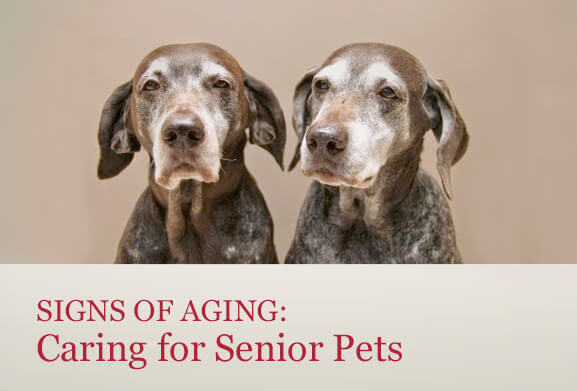
As animals age, their needs change. While each species and even each breed of a particular species has its own unique signs and symptoms of aging, as well as unique care needs through the aging process, some signs are universal. At Centre Street Animal Hospital, we often see pets come to our clinic with health problems that are actually signs of the aging process. By becoming aware of the changes to watch for as your pet ages, you can be better prepared for caring for senior pets.
Changes in Metabolism
Just like people, most animals experience a metabolism change in their senior years. Most pets will see their need for calories drop by around 20 percent. This drop is understandable when you consider what your pet is now doing. Instead of running and playing as a youthful animal did, chances are your pet is spending more time cuddling and resting. Less activity means less need for calories.
Consider dogs, as an example. Obesity is one of the main signs of aging in dogs, as the risk for obesity increases with age. Loving owners who continue to feed their older dogs the same food they enjoyed as young adult dogs, without accounting for activity level drops as dogs age, contribute to this problem.
The key to controlling obesity is controlling caloric intake. Older dogs often need a new type of food and sometimes benefit from smaller portions. We can help you determine what food your pet needs and how much he needs. Also, increasing your pet’s activity levels can help.
Graying of the Coat
Pets with a coat of fur will often gray as they age. A little silver around the muzzle is one of the common signs of aging in dogs and cats. This is not a problem that needs to be treated. It’s simply a part of what happens when an animal gets older.
However, pets may also start losing some of their hair. This can be signs of a nutritional deficiency that should be treated. If your pet’s coat is turning dull or is thinning, we can help you choose appropriate supplements to add to his diet to improve his nutritional intake.
Skin Tumors
If you are petting your older dog or cat and feel an unexpected lump in the skin, don’t panic. While tumors should always be inspected by a veterinarian to ensure that they are not cancerous, benign tumors of the skin are common in older animals, especially dogs. These hard lumps rarely cause discomfort and rarely need treatment. However, if the animal is digging at a tumor or it appears to cause discomfort, we can surgically remove it.
If you notice tumors, bring your pet to the veterinarian for a thorough checkup to rule out cancer. Then, monitor the tumors to ensure that they are not impacting your pet’s quality of life. As long as there are not problems, an approach of watchfully waiting and monitoring the tumors is often sufficient.
Painful Joints
Is your pet sleeping more than normal? Older pets have less energy and therefore will often sleep more than younger pets, but this can be a sign of arthritis. Determining if a pet is in pain or is simply being lazy can be hard for many owners, especially when animals are experts at hiding signs of pain. Signs of arthritis may include:
- Stiffness
- Difficulty standing when laying down
- Inability or refusal to climb stairs
- Inability or refusal to jump onto the bed, into the car or onto the couch
If you suspect that your pet may be dealing with arthritis, medications can help. Never try to medicate a pet on your own. Some medications intended for humans can be fatal for pets. Instead, talk to your vet about potential treatment choices. Modifications around the home, such as ramps or stairs to limit jumping and steep climbs, can also help reduce problems caused by arthritis when you are caring for senior pets.
Keeping Aging Pets Comfortable
Caring for senior pets calls for a new focus on health and wellness. They require a new type of care and may even require lifestyle modifications to make their senior years comfortable and rewarding. If you start noticing some of these common signs of aging, the staff at Centre Street Animal Hospital is ready to help. Contact us with your questions, and let us help you ensure that your senior pet enjoys a full, healthy life.
To Vaccinate or Not to Vaccinate
In this month’s episode, Dr. Slome discusses whether to vaccinate your pets. With an emphasis on good prevention and staying informed about the best practices, Dr. Slome explains some options that pet owners have regarding vaccinations.
Pet owners must be informed about vaccination so they can make an educated decision based on the pet’s lifestyles, environment, and their own comfort levels. Dr. Slome advises getting your pet vaccinated at least once per year, as vaccination has proven successful at reducing the risk of disease.
Watch the video below:
Video

How to Choose a Dog Breeder
Pet owners often visit our clinic asking advice on dog breeders or if we know any reputable dog breeders in the area.
This is the perfect starting for selecting a breeder – always ask your vet for tips on what you should be looking for in a dog breeder and which breeders have positive reputations.
The Centre Street Animal Hospital is committed to giving your family and your pet years of happiness together, and we are glad to help you make a decision that works for you.
By getting advice from your vet, you are off to a great start in choosing a dog breeder.
Things to Look For in a Dog Breeder
Here are some signs to watch for when visiting breeders.
Breed Knowledge – A solid breeder will demonstrate a superior knowledge about the breed’s history, its natural purpose, its health trends and its suitability as a family pet.
A Single Breed – A dog breeder who is breeding more than one breed is a bad sign. That’s a potential puppy mill, and in many cases, the person cares more about making money that they care about the
Pedigree – Whether a good breeder is showing you an individual puppy or an entire litter, they will also introduce you to the parents and discuss the mother and father’s pedigree, temperaments or health conditions. If they don’t offer, then you must ask.
Health Knowledge – Don’t let the breeder tell you everything is perfect. As a veterinarian, I can assure you that no breed or individual animal is perfect. Each comes with its own health risks, even if it’s just a potential risk. Make sure the breeder gives you a full explanation of the breed’s common health risks.
Health Guarantee – A dependable breeder should stand behind his or her dogs and offer you a guarantee of the animal’s health.
References – Like any reputable business, a decent breeder will be able to provide you with references.
Breeding – If you area household looking for a family pet, and a breeder encourages you to enter a breeding contract – meaning the animal will provide future litters for sale – walk away immediately. A good breeder will insist that you have the puppy spayed or neutered.
Other Questions to Ask
Be sure to look for the items mentioned above, and make yourself a list of questions to ask the breeder. Some example questions include:
- How long has the breeder been working in this area?
- What does the breeder do to socialize the puppies?
- At what age should the puppies go their adopted homes?
- Does the breeder have a relationship with a veterinarian?
- Is the breeder active in any breed associations such as rescue groups or show clubs?
Questions Go Both Ways
We’ve discussed the questions you should ask the breeder. However, a good breeder will also have questions for you. A dependable dog breeder will take the time to assess whether you are an appropriate owner for one of his or her dogs.
- Why do you want a puppy?
- Do you have time to care for it?
- Can you afford feeding and grooming costs?
- Will the puppy live indoors or outdoors?
A good dog breeder knows the conditions under which the dogs will thrive, and they truly care about their animals and their future happiness.
Trust Your Instincts
You may not be familiar with animal care or dog breeding, but if you don’t feel comfortable with a breeder, then leave. You must be comfortable with the breeder, and a reputable breeder will understand that.
Ask Your Veterinarian
As I mentioned at the beginning, the Centre Street Animal Hospital is here to help you make a good decision about dog breeder and your family pet.
Feel free to contact us for advice or tips for selecting a dog breeder.
Looking Back on Dental Health Month 2014
It has been severely cold here in the Greater Toronto Area, and we have noticed that people have been inclined to stay indoors. I am originally from South Africa, so I can certainly understand their inclination. I’m sure your animal companions have also preferred staying inside where it’s warm.
Despite the bitter winter cold, we had a great February at the Centre Street Animal Hospital, as many of our families took advantage of Dental Health Month as an opportunity to get a dental exam for their pets.
Getting Focused on Dental Health
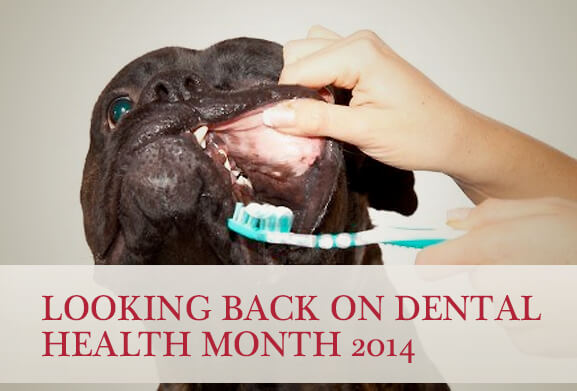
In the January blog post, I discussed the importance of getting an annual dental checkup for your pet. I emphasized that your pet’s dental health affects their overall well-being. Many of the families that I spoke with throughout Dental Health Month understood this already, so I was pleased that people have been taking note of these important veterinary health tips.
After the Dental Exam
Both myself and the clinic staff were also pleased to perform dozens of dental examinations and cleanings during Dental Health Month. As I look back on the procedures we did, there are a few important points I would like to share with you.
Conducting the Hard-to-Perform Procedures – I have mentioned before that while your animal is sedated, it’s also a good time to clean ears, trim nails and conduct other hard-to-perform procedures. We were pleased to perform those for our clients, but in a few particular cases, we were especially pleased to catch other issues before they became serious health concerns.
Inflamed Gums – As some of our pet owners found, it is not unusual that the dental cleaning procedure will leave the animal with inflamed gums. As a result, some of the pets needed to be put on an antibiotic course while others may need to be put on a course of painkillers.
If you were one of those pet owners for which we provided a prescription, please don’t worry – it’s a very common reaction for all types of pets and a normal course of action to treat it.
Follow-up Appointments – As part of your pet’s recovery, we always schedule a follow-up exam to make sure that the anesthesia effects are okay. The follow-up appointment is usually 10-14 days after the exam and performed by one of our registered technicians. In addition to doing the inspection, the technician always reviews proper technique for brushing teeth and good dietary practices. Of course, if the pet owner has other questions, the doctor is always available to come in an answer questions.
You can also get a number of follow-up tips from our video:
What happens after the pet dental cleaning
Moving Forward with Dental Health
Dental Health Month is behind us for 2014, but your pet’s dental health is always one of our top priorities.
If the winter cold kept you indoors during Dental Health Month, it’s still always a good time to come in for a check-up.
If you book an appointment – either online or by calling the clinic – we will give your pet our full attention and make sure your companion is getting the best treatment.
Stay warm.
Your Healthy Cat – 5 Things to Know About Feline Health
We have all heard the maxim that cats have nine lives. Cat lovers understand where that comes from– they know their pets are survivors that can very capably master their environments.
But your feline companion has only one life (not nine). At the Centre Street Animal Hospital, we are committed to ensuring that the life you share with your cat is rewarding, healthy and long.
Keeping your cat in feline health is important. Bringing your cat into the clinic for regular check-ups is the starting point, but there are a number of things that you, as a cat lover and owner, can do to keep your cat healthy and happy.
1. Know Your Cat’s Age or Developmental Stage
Knowing your cat’s age is tricky. We sometimes say that every human year is seven years for cats, but it is more complicated than that. It is more helpful to look at your cat’s life in terms of life stages.
- Kitten
- Adolescent
- Adult
- Senior
For every stage, learn what your cat needs and what you should be looking for to assess its overall health.
In the kitten stage, your cat needs immunization, parasite testing and socialization.
In the adolescent years, pay attention to things like changes in appetite, levels of energy, cleanliness of the ears, as well as things such as excessive thirst.
In the adult years, your cat will being slowing down, and our health priorities will turn to preventative treatments.
As your cat enters the senior years, pay close attention to levels of activity, appetite, changes in weight and litter box habits, as cats can develop diabetes, arthritis, thyroid disease and other problems. These diseases often creep up dramatically after being very subtle in their progression over long periods. It is of the utmost importance to ensure that your cat has a professional medical exam at least annually even if they are indoors and you choose a reduced vaccine regimen.
By paying close attention, you can identify early the problems and help us give your cat the proper treatment.
2. Keep Your Cat’s Coat Clean
Keeping your cat’s coat neat and clean is a step in the right direction.
Cats shed all year round, but there are a couple times during the year when seasonally they shed a lot. Don’t worry – shedding is healthy.
You can use a flea comb to maintain their coat. A flea comb helps gets fleas off your animal and it removes a lot of the dead hair. If you have a long-haired cat, the flea comb will also remove some of the mats that form in the coat.
Be careful – the flea comb’s teeth are stiff and it may brush a little close to the skin.
Also, never use a pair of scissors to cut their fur or remove mats, as accidents of cutting their skin frequently occur this way.
3. Pay Attention to their Dental Health
We recently acknowledged February as Dental Health Month by publishing some blog posts and newsletter articles on the importance of dental health.
We emphasized the importance of monitoring your pet’s dental health, including getting regular check-ups as well as doing your own inspections.
When looking in your cat’s mouth, be alert to certain items of concern.
- Brown or yellow discoloration of teeth
- Loss of teeth
- Reddened, painful gums
- Excessive salvation
Indeed, your cat’s dental health is essential part of their overall health. Food particles that accumulate in your pet’s mouth can harden into tartar, and the bacteria can make its way into the cat’s system. Cats frequently get an oral condition of their teeth called resorptive lesions that are very painful, and closely mimic a severe cavity that is directly open to the nerve in people. Pets are notorious for not being overtly demonstrative of pain, so don’t be fooled by their acting ‘normal’.
4. Keep their Nails Trimmed
If your pet is an indoor cat, you can help minimize scratching by keeping their nails trimmed. For the most part, cats are cooperative about having their nails clipped.
Remember: cats usually keep their nails inside the paw, so the trick is to extend the nail so you can clip it. Hold the cat’s paw in your hand and extend it gently but firmly.
The pink area at the centre of the nail is called the “quick.” It’s a blood vessel. Be careful not to cut it or it will bleed and will almost certainly alarm your cat.
Scratch posts can also be very useful in providing an outlet for their need to scratch on something. This may reduce frustration for them as well as save damage to your furniture and carpets (and of course body parts).
5. Keep the Flea and Tick Treatment Up-to-Date
Fleas and ticks can lead to Anemia, Tapeworm, blood parasitic and other diseases. The key is prevention and making sure your cats remain safe from fleas and ticks.
- Using products such as Revolution, Advantage, or Frontline (not available in Canada)
- Providing a clean environment for you pet
- Ensuring your backyard is clear of fleas and ticks
- Taking your pet for regular veterinary checkups and visits
Feline Health
Staying on top of your cat’s long-term health is a matter of staying informed and practicing prevention. An annual check-up is essential so we can work together to ensure long-lasting feline health for your cat.
Remember – we are in this together. The staff of the Centre Street Animal Hospital are here for you and your cat to make sure you have a long and healthy life together.
You can always contact us with questions or to examine your pets.
February is Dental Health Month
At Centre Street Animal Hospital, your pet’s health and the ongoing love of having a pet in your family are our top priorities.
Every year our clinic recognizes National Dental Health Month by offering a promotion on your pet’s dental health.
Dental Health
In last month’s blog post, we discussed the importance of dental health for your pets.
Just as a quick reminder, we take this matter seriously because neglecting your pet’s oral hygiene and dental care can result in plaque accumulation and unhealthy populations of bacteria in your pet’s mouth This can lead to:
- Bad breath
- Tartar and plaque buildup
- Red gums better known as gingivitis
- Sore, painful gums and teeth
- Excessive salivation
- Poor digestion and abnormal eating habits
- Lack of energy
- Possible damage to internal organs
Due to the fact that there are varying stages of gingivitis, it is important that you visit us for a dental exam. During the exam we can identify the presence of gingivitis and, based on the stage of progression, create a plan specific to your pet’s needs.
If these conditions go untreated, bacteria can enter your pet’s bloodstream and reach your pet’s vital organs. A bacterial infection can then cause damage to internal organs like the heart, kidney and liver.
The Importance of Annual Check-Up
We recommend that your pet have a dental exam every year.
Bringing your pet for a check-up every 12 months may seem frequent, especially since humans see the dentist every 6 months, but it’s important to remember that animals age differently than we do. For every year that passes for a human, your dog is aging about 4-7 years, depending on the breed. An annual check-up every for your dog is the same as a 4-7 year check-up for a human. When we consider it like that, we realize that a year is a long time. A lot can change over that period.
“ … But My Pet Isn’t Complaining … ”
People sometimes say that a dental exam feels unnecessary because their pet is showing no signs of discomfort or pain. Truthfully, outspoken reactions to pain are more common in humans than they are in animals. Your pets were born as survivors. Their instinct is to hide the pain and keep pushing forward in happiness. Please remember – just because they seem happy, that doesn’t mean they are not experiencing any discomfort.
The Pet Dental Cleaning Process
The main procedure we will perform during the annual check-up is the dental cleaning. You can watch this video on our dental cleaning process:
As you will see in the video, we take the time and effort to make your pet calm and relaxed before the procedure. While your pet is comfortably under anesthesia, we also use the opportunity to do the things that require a delicate touch. For example, we routinely give your pet a nail trim at no additional charge.
We can also arrange to do other procedures that may be more difficult while your animals are awake, such as deep ear cleanings, anal gland expressions and micro-chipping. It’s our pleasure to do so – it just makes life easier to help your pet when there is no risk of stress or discomfort.
Our Campaign for Dental Health
To see our 2014 promotion for dental health, please visit our webpage here.
Dental health month is a limited time offer, so please book your appointment early.
We care deeply about your pet’s health, and we look forward to working with you to ensure a long and happy life through this important aspect to your pet.
Welcome to 2014 – Looking Ahead to Your Pet’s Health
Happy New Year to the wonderful people, families and pets that Centre Street Animal Hospital has the pleasure of providing care for.
As pet lovers, we at the hospital know how important your pets are to making your family complete. We are very pleased to be part of your animal care family.
2013 was a great year for our clinic. This year we introduced new technologies such as ScanX Quantum Computerized Radiography system that is helping us provide better care for your animal companions.
This new technology builds on other innovative features that we previously introduced, including the great customer service features we put on our website such as online appointment scheduling and online prescription refilling.
We sincerely hope that 2013 was a great year for your families as well. In 2014, we will continue making improvements to help keep your pet as an important part of your family for years to come.
February is Dental Health Month
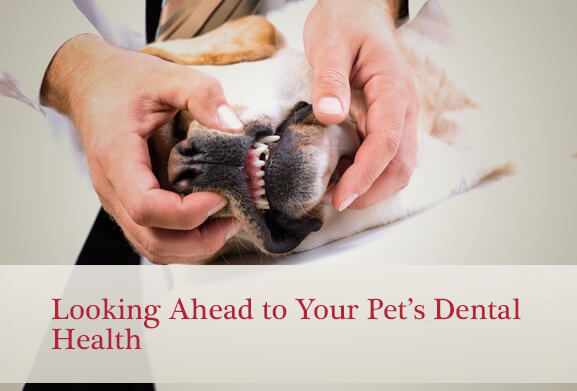
We have spoken with many of you about your pet’s dental health. You have probably heard us say that your pet’s dental health affects their overall well-being. It’s true.
Dental health is just as important for pets as it is for humans, yet it’s the one area of animal health that often gets overlooked. That’s why regular oral and dental health check-ups are an essential part of your pet’s overall health.
At the Centre Street Animal Hospital, we are always focused on your pet’s dental health, but February is National Dental Health Month, and so will be giving some extra attention to this aspect of your pet’s overall health.
There are some common dental concerns that people bring to our attention or that we notice in examinations.
Bad Breath – From time to time you have probably found that your pet has bad breath. Don’t feel bad – it’s a common concern. But it really puts a damper on cuddle time!
Periodontal Disease –Periodontal disease is very common in dogs and cats of all ages. As food particles accumulate on the teeth and harden into tartar, the pockets between the gums and teeth fill with bacteria that makes its way from your pet’s mouth and into its system.
Bacterial infection can spread from the mouth to the heart, kidneys and liver.
Other Dental Concerns
When you look in your pet’s mouth, you may notice some things that cause concern. These include:
- Brown or yellow discoloration of teeth
- Loss of teeth
- Reddened gums (gingivitis)
- Excessive salvation
If you notice any of the following, please make an appointment so we can have a look. It’s probably something that needs a proper medical treatment.
Looking Ahead to National Dental Month
Sadly, many dental issues are not brought to our attention until they are quite serious. So, let’s work together to stay on top of your pet’s dental health.
If you book an appointment using – either online or by calling the clinic – we will give your pet my full attention and make sure your companion is getting the best treatment.
You may have concerns that a dental examination may be uncomfortable for your pet. You needn’t worry. Our team is highly experienced, and we take the time to create a calm, soothing environment for your pet.
In February’s blog post, I will describe the dental cleaning procedures that we provide at the clinic.
Check back here to learn about the procedures and their role in providing you and your family with many years of health and happiness.
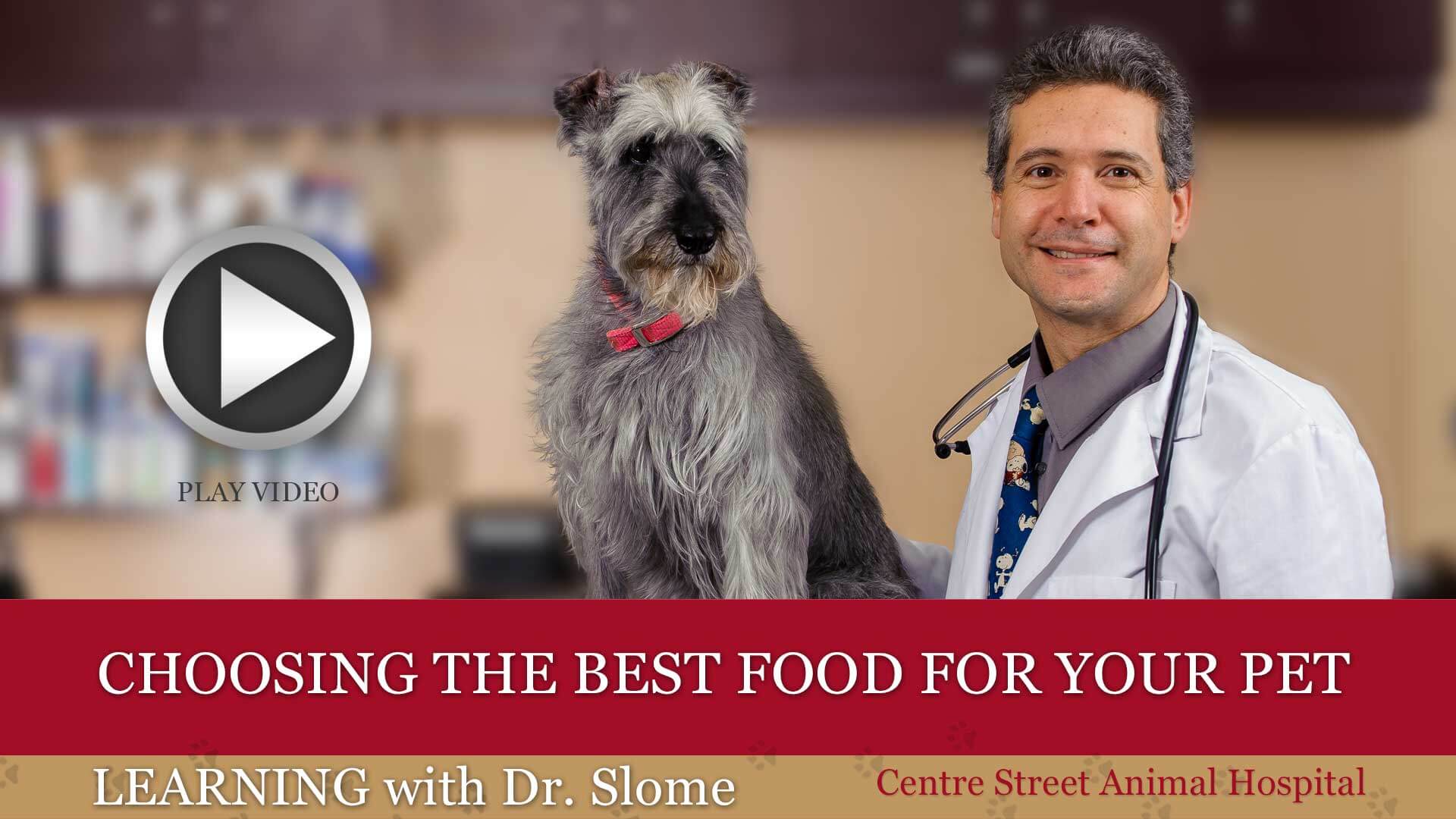
Choosing the Best Pet Foods
In this episode, Dr. Slome shows how to read pet food labels and what you need to know when choosing a pet food for your animal.
Shopping for pet food is like shopping for a house. Every house has standard items such as doors, windows, rooms and a roof. But your final choice will be made on the details – the right neighbourhood, style and design. It’s the same with pet food. Every pet food has standard ingredients, but it’s the mix of those ingredients and the specific details that will determine whether it’s right for your pet. Dr. Slome explains the considerations.
Video
Important Links
Get our Newsletter!